EC3N Postcode Street Rubbish Collection Advice for Local Residents
If you live in EC3N, rubbish can become a surprisingly tricky part of daily life. Narrow streets, busy pavements, shared entrances, odd storage spaces, and the usual London rush all make waste collection a bit less straightforward than it looks on paper. This guide gives practical EC3N postcode street rubbish collection advice for local residents so you can put items out properly, avoid missed collections, and deal with bulky waste without turning the street into a mess. Truth be told, a lot of problems come down to timing, sorting, and knowing what should never be left out in the first place.
Whether you are clearing out a flat, dealing with a broken appliance, or just trying to keep communal bins under control, the aim here is simple: help you dispose of waste cleanly, safely, and with far less stress. You will find step-by-step guidance, common mistakes, a practical checklist, and a few sensible options if you need something more than a standard bin day.
Table of Contents
- Why EC3N postcode street rubbish collection advice for local residents matters
- How EC3N postcode street rubbish collection advice for local residents works
- Key benefits and practical advantages
- Who this is for and when it makes sense
- Step-by-step guidance
- Expert tips for better results
- Common mistakes to avoid
- Tools, resources and recommendations
- Law, compliance, standards, and best practice
- Options, methods, and comparison table
- Case study or real-world example
- Practical checklist
- Conclusion
- Frequently asked questions
Why EC3N postcode street rubbish collection advice for local residents Matters
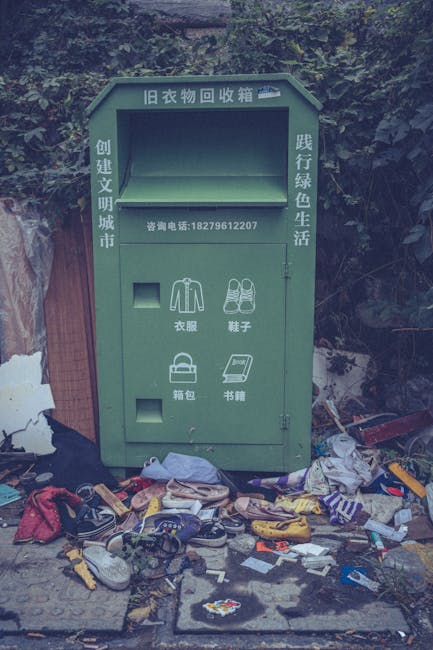
EC3N sits in one of those parts of London where the street environment can change quickly from calm to chaotic. One overflowing bag, one broken wardrobe frame, or one badly placed appliance can block a narrow pavement and make life awkward for everyone in the building. That is why local rubbish collection advice matters. It is not just about being tidy; it is about keeping access routes clear, reducing smells and pests, and making sure waste is collected without complaints or avoidable delays.
For residents, the practical challenge is usually not a lack of willingness. It is the daily reality of flat living, limited storage, shared bins, and the occasional "I'll deal with it later" moment. We have all seen it: bags left half on the kerb, a cardboard mountain after a delivery day, or a sofa that somehow appears in the hallway for three days. Let's face it, nobody wants to be the neighbour causing that scene at 7:30 on a weekday morning.
Good rubbish handling also supports a more pleasant street for everyone. It helps cleaners, collection crews, and neighbours. And if you ever need to arrange a larger removal, having a clear routine already in place makes the whole process much easier.
How EC3N postcode street rubbish collection advice for local residents Works
The basic idea is straightforward: separate your waste, present it correctly, and choose the right disposal route for the item. In EC3N, that often means thinking beyond the standard bin. You may have general household rubbish, recyclables, bulky furniture, electrical items, or bags of mixed contents from a declutter. Each type needs a slightly different approach.
For day-to-day rubbish, use the normal collection system for your property and keep to the agreed collection times. For bulky items, consider whether the item can be dismantled safely, whether it should be taken to a specialist collection, or whether you need support from a dedicated waste removal service. The right route depends on the size, weight, material, and urgency.
In practical terms, the process usually looks like this:
- Sort the waste into general, recyclable, reusable, and specialist categories.
- Check whether the item can go in standard collections or needs separate handling.
- Prepare the item neatly so it does not spill, leak, or block access.
- Place it out at the correct time and in the correct location.
- For bulky or awkward waste, arrange a suitable collection method in advance.
If you are unsure about a mixed load, a helpful starting point is to look at what can go into a skip and what cannot. The guide on what can go in a skip is useful for quickly judging which items need extra care or a different disposal route altogether.
Key Benefits and Practical Advantages
Good street rubbish handling gives residents more than a cleaner pavement. It reduces hassle in small but real ways. You spend less time sorting out collection issues, less time apologising to neighbours, and less time trying to move a heavy item in a panic because it was left until the last minute.
Here are the main benefits:
- Cleaner shared spaces: fewer bags left around means less mess, smell, and litter scatter.
- Fewer missed collections: correct presentation improves the chance of items being taken first time.
- Less conflict in shared buildings: clear routines help avoid the "whose bag is that?" problem.
- Better safety: less clutter around entrances and stairwells reduces trip hazards.
- Smarter disposal decisions: residents can tell when a normal bin collection is enough and when a larger solution is needed.
A quieter benefit, but an important one, is peace of mind. Once the waste is under control, the flat or street simply feels more liveable. You notice the difference on a damp London evening when there is no smell drifting from a piled-up bin area. Small thing, big difference.
Who This Is For and When It Makes Sense
This advice is for anyone living in EC3N who handles rubbish from a home, flat, shared property, or small business unit. It is especially useful if you live in a building with communal bins, limited storage, or a busy frontage where waste can become visible very quickly.
It makes sense if you are:
- moving out of a flat and need to clear leftover waste;
- replacing furniture or appliances and want to remove old items properly;
- dealing with overflow in a shared bin area;
- renovating a room and generating packaging, offcuts, or broken materials;
- sorting a loft, garage, or storage room that has slowly filled up over time;
- trying to avoid neighbour complaints or awkward collection issues.
It is also relevant if you are looking at a more structured property clearance. For example, a flat refresh might involve general rubbish, old furniture, and a few appliances. In that case, services like flat clearance or home clearance can be a more practical route than trying to piece everything together yourself.
For larger projects, it is worth checking whether a specific service fits the job better. A half-empty flat with bulky furniture is a different beast from a garden with bags of green waste. Obvious, maybe, but people often mix the two and make life harder than it needs to be.
Step-by-Step Guidance
Below is a simple, realistic process you can follow before any rubbish goes outside. It works well for most EC3N households and shared properties.
- Walk the property first. Do a slow sweep of each room, cupboard, and storage corner. People often forget the back of a wardrobe, under-bed boxes, and the bottom of hallway cupboards.
- Separate waste by type. Put recyclables, general rubbish, and bulky items into different piles. Do not mix everything together just because you are in a hurry.
- Identify awkward or restricted items. Batteries, paints, chemicals, fridges, mattresses, and old electricals often need special handling. If in doubt, pause and check before putting them out.
- Break down what you safely can. Flat-pack cardboard, dismantled shelves, and bagged soft waste are easier to manage than one tangled heap.
- Keep pathways clear. In blocks with shared entrances, stairwells, or narrow corridors, make sure nothing blocks access for residents or collection crews.
- Set a collection time. Put waste out according to the correct schedule, not the night before if that creates obstruction or attracts dumping.
- Use the right disposal route for bulky waste. If the item is too large for standard collection, arrange a proper removal rather than leaving it out and hoping for the best.
A useful habit is to take photos of what you are disposing of before collection day. Nothing fancy. Just a quick phone picture. It helps if you need a quote, want to check quantities, or need to remember what is in a pile that looks mysteriously bigger at 6 a.m.
Quick sorting rule of thumb
If something is clean and easily recyclable, keep it separate. If it is mixed, dirty, damaged, or hazardous, treat it as a special case. That one rule avoids a lot of problems.
Expert Tips for Better Results
From a practical point of view, the best rubbish collections are usually the ones planned a day or two earlier, not the ones assembled in a rush. A little preparation goes a long way.
- Bundle loose items neatly. Tie cardboard, tape shut broken boxes, and bag loose soft waste so it does not spread on the pavement.
- Avoid overfilling sacks. Heavy bags split. Then you are back to square one, sweeping bits of foam or old packaging off the ground.
- Keep glass and sharps separate. Wrap them securely and label them if needed. No one enjoys finding a rogue shard in a mixed bag.
- Measure bulky items before moving. A wardrobe might fit through a hallway at an angle. Or it might not. Better to know before you start sweating halfway down the stairs.
- Think about reuse first. Good furniture may be better suited to reuse or donation than disposal, if condition allows.
- Match the method to the waste type. If you have one sofa, a dedicated furniture service may be simpler. If you have a mixed room clearance, a broader waste collection is usually easier.
If you want to clear furniture responsibly, it helps to look at furniture clearance and furniture disposal. For bulky soft furnishings, there is also mattress and sofa disposal, which is often the more suitable option for larger items.
For appliance-heavy clear-outs, especially the kind where the kitchen suddenly looks stripped bare, fridge and appliance removal is worth considering. White goods are one of those categories people underestimate until they have to move a heavy one downstairs. Not fun.
Common Mistakes to Avoid
Most rubbish collection problems are avoidable. Usually, they happen because someone makes a small assumption that turns into a bigger issue. Here are the common ones.
- Leaving waste out too early: this can clutter the street and create complaints before collection day arrives.
- Mixing prohibited items into general waste: hazardous or electrical items often need separate handling.
- Overestimating what a standard collection can take: not every bulky item belongs with the weekly bins.
- Blocking shared access: stairwells, entrances, and narrow pavements should stay usable.
- Using weak bags or broken boxes: these fail at the worst moment, often just as someone else walks past with coffee in hand.
- Forgetting to check building rules: some properties have specific collection times or storage arrangements.
One less obvious mistake is assuming every "small clear-out" is actually small. A couple of chairs, a mattress, a damaged lamp, and a bag of mixed clutter can suddenly become too much for one standard pickup. It is better to assess honestly at the beginning than to improvise halfway through.
Tools, Resources and Recommendations
You do not need a truckload of special equipment to manage rubbish well. A few simple tools make the job much easier:
- Heavy-duty sacks: useful for general waste and soft items, but only if you do not overload them.
- Tape, twine, and marker pens: helpful for bundling cardboard and labelling awkward items.
- Gloves and sturdy shoes: basic safety, especially if you are moving mixed rubbish or broken items.
- Measuring tape: useful when checking whether furniture can be dismantled or carried safely.
- Phone camera: ideal for recording what needs removing before you request support or compare options.
As a recommendation, use the simplest method that genuinely fits the waste. For example, if you are clearing a single room of mixed items, a general waste removal option may be more convenient than trying to split the job into several separate collections. If you are dealing with a garage or loft full of odds and ends, a dedicated garage clearance or loft clearance can save a lot of effort.
For bigger projects or office-type waste, you may also want to look at office clearance or business waste removal. The right choice depends on what you have, not just where you found it.
And if you are thinking about sustainability, it is worth reading the company's approach to recycling and sustainability. Even basic awareness helps residents make better disposal choices.
Law, Compliance, Standards, and Best Practice
When rubbish leaves your home, it should be handled responsibly. In the UK, residents and waste carriers are expected to act carefully, especially where mixed, bulky, or potentially hazardous waste is involved. You do not need to become a legal expert, but you do need a sensible standard of care.
The safest approach is to keep waste separated, use reputable collection methods, and avoid leaving anything on the street that might obstruct access or create a nuisance. If a property has shared areas, the building rules may also matter, so it is wise to check them before placing anything outside.
For hazardous items, caution matters more than speed. Things like chemicals, paint, or certain electrical items should not be treated like normal rubbish. If you are unsure, hold off and find a proper route. This is one of those areas where a five-minute pause can prevent a lot of trouble.
It is also sensible to choose services that are transparent about process, insurance, and security. Pages such as insurance and safety, health and safety policy, payment and security, and terms and conditions can help you understand the provider's standards before you book.
For items that require careful handling, the dedicated page on hazardous waste disposal is especially relevant. The main point is simple: if something could leak, spread, cut, burn, or contaminate, do not shove it into a general pile and hope for the best.
Options, Methods, and Comparison Table
Different waste situations call for different solutions. Here is a plain-English comparison to help you decide what fits best.
| Method | Best for | Strengths | Watch-outs |
|---|---|---|---|
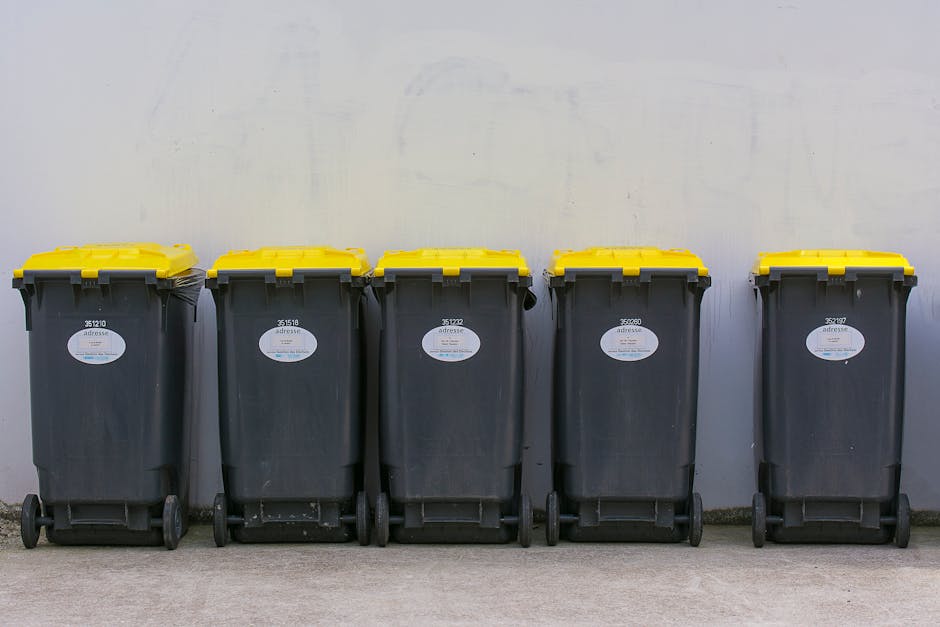
| Standard bin collection | Everyday household rubbish and simple recyclables | Convenient, routine, familiar | Not suitable for bulky or specialist items |
| Bulky item disposal | Sofas, mattresses, furniture, large household pieces | Better suited to awkward loads | Needs correct preparation and timing |
| General waste removal | Mixed items from decluttering or small clear-outs | Flexible and practical | Sorting still matters |
| Room or property clearance | Flats, houses, lofts, garages, offices | Efficient for larger jobs | Needs planning and clear access |
| Specialist disposal | Appliances, hazardous items, sensitive waste | Safer and more appropriate | May require more preparation |
If you are unsure where your rubbish fits, start with the item itself rather than the room it came from. That sounds obvious, but it prevents lots of mismatched bookings. A fridge in a kitchen is not the same as cardboard from a kitchen. One needs appliance handling; the other is just packaging.
Case Study or Real-World Example
Here is a simple example based on a typical EC3N flat clear-out scenario. A resident is moving out of a two-bedroom flat and has three main waste streams: old furniture, a broken fridge, and mixed bags of household clutter from cupboards and the spare room. The first instinct is often to stack everything by the door and deal with it later.
That approach usually creates problems. The doorway gets blocked, the lift becomes awkward to use, and a shared corridor starts to look like a storage depot by lunchtime. Instead, a better approach is to split the load. Furniture gets separated from general waste, the fridge is treated as a specialist item, and small clutter is bagged neatly so it can be removed safely.
In a case like this, a combination of flat clearance, fridge and appliance removal, and maybe furniture clearance is often more practical than a single improvised trip to the street. The resident saves time, the building stays calmer, and the job gets done without the usual last-minute scramble. Everyone breathes easier. Even the stairwell.
That is the real value of good advice: not perfection, just fewer headaches.
Practical Checklist
Use this checklist before any rubbish goes out in EC3N:
- Have I sorted waste into general, recyclable, bulky, and specialist items?
- Have I checked whether anything needs special handling, such as a fridge, mattress, or hazardous item?
- Are my bags, boxes, and bundles secure enough not to split?
- Will anything block the entrance, pavement, stairwell, or shared access route?
- Have I confirmed the right collection time or disposal method?
- Do I know which items can be reused, repaired, or donated instead of thrown away?
- Have I measured any bulky furniture or appliances before trying to move them?
- Is my chosen method realistic for the amount of waste I actually have?
Expert summary: the cleanest rubbish collection outcomes usually come from three things working together: correct sorting, proper timing, and choosing the right disposal route for the item. Get those right and the rest becomes much easier.
Get a free quote today and see how much you can save.
Conclusion
EC3N street rubbish collection is easier when you treat it as a small system rather than a one-off chore. Sort properly, choose the right method, and avoid leaving awkward items to become everyone else's problem. That approach keeps your home tidier, your neighbours happier, and your collection day far less stressful.
If you are dealing with more than everyday bin waste, do not force it into a standard routine that was never meant for it. A bit of planning now can save a lot of lifting, waiting, and second-guessing later. And if the pile looks bigger than expected, well, it often does. Funny how that happens.
Used well, this advice helps local residents keep EC3N cleaner, calmer, and easier to live in. That is the goal, really. Simple, sensible, and one less thing to worry about.
Frequently Asked Questions
What is the best way to handle rubbish collection in EC3N if I live in a flat?
For flats, the best approach is usually to separate general waste from bulky items and use the correct collection route for each. Keep shared corridors and entrances clear, and do not leave items out too early. If the waste is larger than normal bin rubbish, consider a dedicated flat clearance or waste removal option.
Can I leave bulky items on the street for collection in EC3N?
Only if they are being collected through the correct route and at the correct time. Bulky items left out without arrangement can create obstruction, complaints, or missed pickup. It is better to prepare them properly and make sure the collection method matches the item.
What items usually need special handling?
Fridges, mattresses, sofas, paint, batteries, chemicals, and many electrical items often need special care. These are the items people most often misjudge. If you are unsure, treat them separately rather than mixing them with general rubbish.
How do I stop rubbish from making the street look untidy?
Bag waste securely, bundle cardboard neatly, and put items out as close as possible to the correct collection time. Keep access routes open and avoid stacking everything in one loose pile. Small changes make a noticeable difference, especially in a busy London street.
Is furniture better removed as part of a clearance or as individual items?
That depends on how much furniture you have. One item may suit furniture disposal, but several pieces are often easier to handle through furniture clearance or a broader property clearance. If the job includes mixed waste too, a fuller clearance is usually more efficient.
What should I do with old appliances in EC3N?
Old appliances should not be dumped with ordinary household rubbish. Fridges, washing machines, ovens, and similar items are best handled through a specialist appliance removal route. That keeps the job safer and avoids unnecessary problems.
How do I know whether I need a waste removal service?
If the waste is bulky, heavy, mixed, or too much for standard collections, a waste removal service is probably the sensible choice. It is especially useful when time is tight or when access is awkward, which happens a lot in central London flats.
Can I mix recyclable items with general waste if I am in a hurry?
It is better not to. Mixed waste is harder to handle and can create avoidable disposal problems. Even a quick separation of cardboard, plastics, and general rubbish helps keep the process cleaner and simpler.
What is the safest way to clear a loft, garage, or storage area?
Start by sorting items into obvious categories, then remove anything fragile, sharp, or potentially hazardous before moving the rest. For larger jobs, dedicated loft clearance or garage clearance can save time and reduce lifting risks. Take it room by room rather than trying to do everything at once.
Are there rules I should check before putting rubbish out in a shared building?
Yes. Shared buildings often have their own arrangements for waste storage and collection timing. It is sensible to follow building rules, keep shared areas clear, and avoid placing waste where it may block access or attract complaints.
What if my rubbish pile is bigger than I expected?
That happens all the time. A "small clear-out" can turn into several bags, a broken chair, a mattress, and a few mystery items from under the bed. If the load has grown, step back and reassess. It may be easier to book a broader clearance rather than trying to patch together a standard collection.
How can I make sure my rubbish is handled responsibly?
Choose the right disposal route, separate specialist items, and use services that are transparent about safety, payment, and sustainability. A careful approach is usually the best one. Simple, but effective.
Who should I contact if I need more than advice?
If you need practical help with a larger clear-out, collection, or removal job, use the site's contact page to request support and next steps. Sometimes a quick conversation is all it takes to turn a messy job into a manageable one.